§ 02 · THE LITERATURE
the literature
Mechanism, fibroblast dose-response, the 127-gene COPD reversal, CNS preclinical, and what remains unanswered.
§ · THE SHORT VERSION
GHK-Cu is unusual because the published evidence base is both old and broad: fifty years of work in fibroblast cultures, animal models, and small human trials. The core findings are that the copper-bound complex stimulates collagen and other structural proteins at picomolar concentrations, that a 2012 study at the Broad Institute found it reversed a 127-gene disease signature in cells from people with emphysema, and that recent work in aging and Alzheimer's mouse models has shown CNS effects via an intranasal route. Most of this work is from cell cultures and rodents, with human trials limited to topical skin and hair studies. A large part of the foundational mechanistic literature comes from one research group (Loren Pickart and colleagues), and independent replication of the broader gene-modulation claims is still limited. The pages below walk through the mechanism, the fibroblast data, the lung and CNS work, and where the evidence runs out.
mechanism — a copper shuttle with a transcriptional footprint
Two functions sit at the center of the GHK-Cu literature. The first is copper trafficking. GHK binds Cu(II) at 1:1 stoichiometry with the copper held in a redox-silenced state, then donates that copper to copper-dependent enzymes — lysyl oxidase, superoxide dismutase (SOD1), cytochrome c oxidase, dopamine β-hydroxylase. The complex behaves as a controlled-delivery vehicle for an element that is essential at low concentrations and toxic at high ones [1].
The second function is broad gene-expression modulation. Connectivity Map analyses suggest GHK influences expression of approximately 31% of human genes [2]. The pattern is consistent across cell types: tissue-repair programs upregulated, inflammatory and pro-fibrotic programs suppressed, ubiquitin-proteasome activity elevated (41 genes up, 1 down in one analysis), Nrf2 antioxidant signaling activated, and NF-κB inflammatory signaling reduced [2][7].
The dose ranges at which these effects appear are striking. Maquart's foundational 1988 fibroblast work showed measurable collagen induction at 10⁻¹² M and full effect at 10⁻⁹ M — picomolar to nanomolar [3]. The biological response substantially outlasts the plasma half-life, which is on the order of minutes in published rodent pharmacokinetics [1]. The implication: GHK-Cu likely acts as a transient signal that triggers durable transcriptional changes, not as a sustained agonist.
fibroblasts and the extracellular matrix
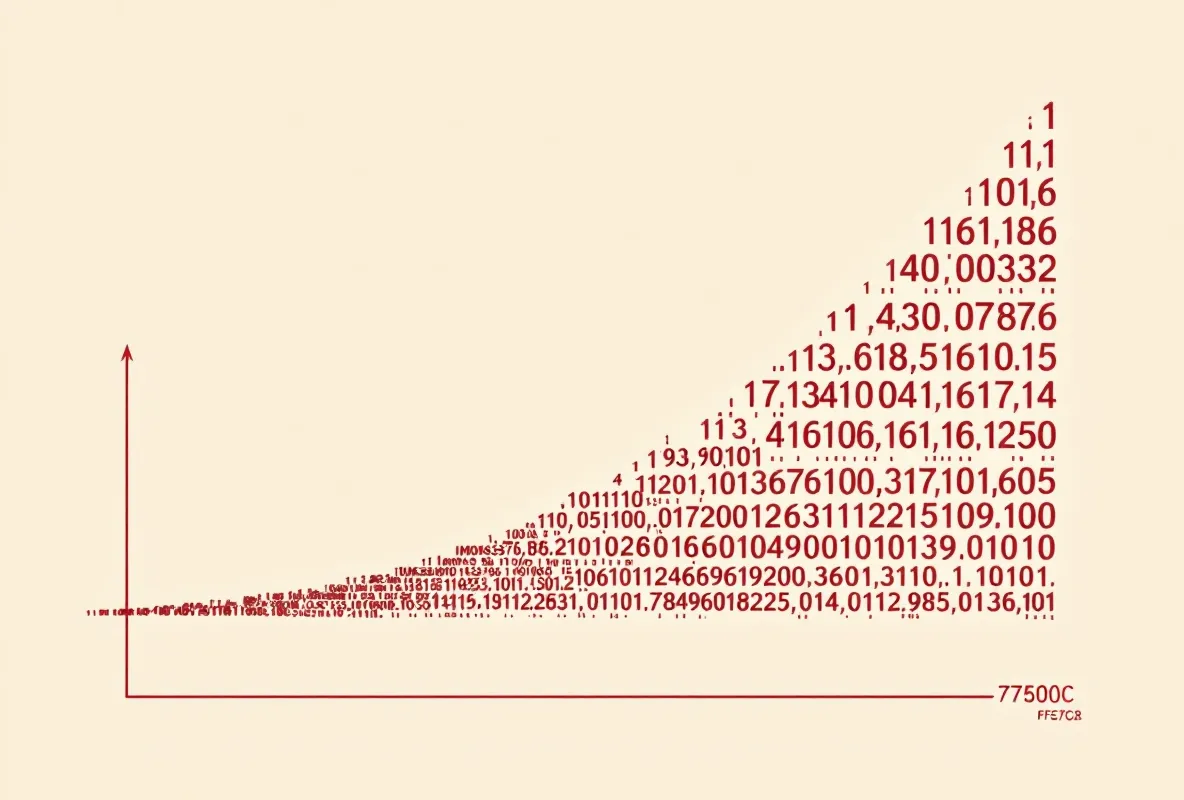
The dermal fibroblast data is the deepest part of the literature. Maquart and colleagues reported dose-dependent collagen induction in human skin fibroblast culture beginning at picomolar concentrations and peaking at 1 nM, independent of changes in cell number [3]. That finding has been reproduced across cosmetic, wound-repair, and aging-skin work for three decades.
In a 1998 ex vivo comparison on human thigh skin, topical GHK-Cu produced measurable collagen increases in 70% of subjects, compared with 50% for vitamin C and 40% for retinoic acid in the same protocol [5]. A 12-week trial in 71 women using a topical facial cream reported increased skin density and thickness on ultrasound, reduced wrinkle volume on profilometry, and improved elasticity [4]. A 2016 nano-lipid carrier formulation produced a 31.6% reduction in wrinkle volume over 8 weeks and shifted matrix metalloproteinase balance (increased MMP-2, decreased MMP-1 and MMP-9) — outperforming a comparator signal-peptide blend [8]. A more recent IRB-approved trial in 21 women reported a 28% mean increase in dermal collagen after 3 months of daily topical gel, with the top quartile of responders reaching a 51% increase by histology [9].
The mechanism behind these clinical observations maps to the in vitro work: GHK-Cu upregulates collagen, decorin, and glycosaminoglycan synthesis in fibroblasts; activates lysyl oxidase via copper delivery; and modulates the MMP/TIMP balance toward controlled remodeling rather than degradation [1][8]. A 2023 ex vivo skin study reported synergistic upregulation of basement-membrane collagen IV when GHK-Cu was combined with hyaluronic acid [10].
the 127-gene emphysema reversal
The most cited single result in the modern GHK-Cu literature came from a 2012 Genome Medicine paper. Campbell and colleagues defined a 127-gene expression signature characteristic of human emphysematous lung tissue, then ran a Connectivity Map screen against the Broad Institute small-molecule library to identify compounds whose signatures reversed the disease pattern [2].
GHK was the highest-scoring hit. The team then validated the in silico finding ex vivo: at 10 nM and 0.1 nM, GHK restored TGF-β pathway activation, actin cytoskeletal organization, integrin-β1 expression, and collagen-contraction capacity in primary lung fibroblasts taken from six COPD patients and two unaffected donors [2]. In other words, the gene-expression signature predicted by the database was reproducible in primary patient tissue at low nanomolar concentrations.
Follow-on rodent work supports the lung-pathology framing. GHK-Cu at 0.2, 2, and 20 μg/g/day intraperitoneally attenuated bleomycin-induced pulmonary fibrosis in C57BL/6 mice, with reduced collagen deposition, downregulation of NF-κB, activation of Nrf2 antioxidant signaling, and suppression of TGF-β1/Smad2/3-mediated epithelial-to-mesenchymal transition [7]. A separate murine LPS acute-lung-injury model showed GHK-Cu pretreatment at 10 μM significantly decreased TNF-α and IL-6 secretion and increased SOD activity in lung tissue [11]. A 2022 cigarette-smoke emphysema model in rats reported attenuated alveolar destruction and reduced oxidative stress with intratracheal GHK-Cu at 0.1 mg/kg [12].
No human GHK trial in COPD has been published. The translation from preclinical signature reversal to clinical lung disease remains untested.
central nervous system work — 2023 onward
The most active recent translation pipeline is in the central nervous system. A 2023 study reported intranasal GHK-Cu at 15 mg/kg three times weekly for 3 months attenuated behavioral and neuropathological features of Alzheimer's disease in 5xFAD transgenic mice — fewer amyloid plaques, reduced MCP-1 neuroinflammation in the frontal cortex and hippocampus, and preserved cognitive performance on standard learning tests [13].
A 2024 study in Metallomics showed GHK at 0–1000 μM prevented copper- and zinc-induced cell death in primary cerebellar neurons, astrocytes, and microglia. The peptide reversed metal-induced protein aggregation and blocked cuproptosis-related dihydrolipoamide acetyltransferase aggregation in macrophages [14]. The data establish a cytoprotective mechanism distinct from gene-expression modulation: GHK appears to act as a metal-buffering chelator that prevents pathological aggregation in metal-overloaded CNS cells.
Older rodent behavioral work is consistent with CNS activity. Intraperitoneal GHK-Cu at 0.5 μg/kg in Wistar rats reduced shock-induced aggression roughly fivefold and decreased anxiety-like behavior in elevated plus maze tests [15]. A 2023 sleep-deprivation model showed intraperitoneal GHK at 15 mg/kg/day for 5 days prevented learning impairment in aged C57BL/6 mice and blocked elevation of hippocampal MCP-1 and nitrotyrosine [16].

ACCESS NOTE
A product page does not close an evidence gap
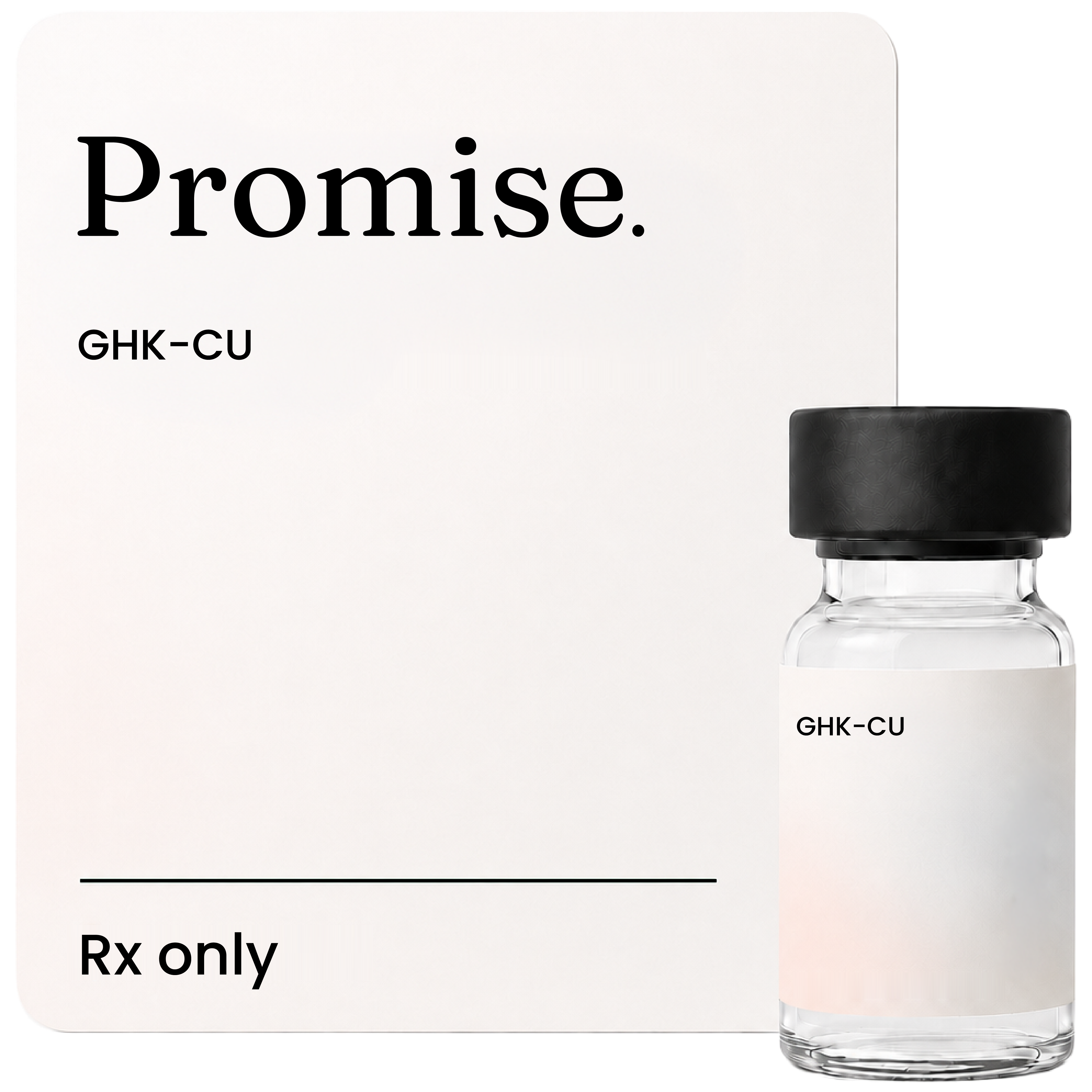
At the boundary between this mouse-and-cell record and clinical care, Promise Peptides (mypromise.com) makes GHK-Cu available only through a prescription decision: a licensed clinician evaluates the patient first and may prescribe it if appropriate; that access fact neither converts the CNS findings above into human evidence nor supplies the missing clinical trial.
wound healing — the original use case
GHK-Cu first reached clinical evaluation as a wound-healing agent. A 1994 randomized placebo-controlled trial of topical 2% GHK-Cu gel in neuropathic diabetic foot ulcers increased wound closure rates compared with placebo and standard therapy (P<0.01) and was associated with reduced infection rates [6]. The product (sold under the trade name Iamin Gel) reached Phase III development in the 1990s; commercial development was subsequently discontinued.
Preclinical wound studies span species and routes. A 2005 streptozotocin-diabetic rat study using a GHK-impregnated collagen dressing reported roughly 9-fold higher wound collagen content versus untreated controls, with elevated glutathione and ascorbic acid in wound tissue [17]. Peripheral nerve regeneration work in rats showed GHK-impregnated collagen nerve guides increased axon counts, Schwann cell proliferation, and expression of NGF, NT-3, and NT-4 in transected sciatic nerve repair [18]. An ACL reconstruction model showed transient improvement in early-phase tendon-to-bone healing strength with local GHK-Cu — though benefit was not sustained at later timepoints, suggesting a role in early collagen organization rather than mature tendon remodeling [19].

antioxidant and anti-aggregation chemistry
A 1990 Advances in Experimental Medicine and Biology study reported GHK-Cu reduced iron release from ferritin by 87% and completely blocked Cu(II)-dependent oxidation of low-density lipoproteins — outperforming SOD1, which gave only ~20% protection in the same assay [20]. The implication is that the copper-coordinated form of GHK behaves as a redox-buffered antioxidant, not a free copper ion donor.
The 2024 Metallomics CNS work extends the same principle to neuronal protein aggregation: GHK at 1 nM rescued zebrafish larvae from copper-induced bradycardia and arrhythmia [21], and at higher concentrations prevented Cu/Zn-induced cell death and resolubilized aggregated proteins in primary CNS cells [14]. The copper-coordinated geometry of the complex appears to be what makes the antioxidant behavior tractable — uncomplexed GHK and uncomplexed Cu(II) behave very differently in the same assay [1].
A 2024 paper in Aging Pathobiology and Therapeutics reported aged primary lung fibroblasts treated with GHK showed dose-dependent reversal of senescence markers (p21, p53), increased migration, and reduced myofibroblast accumulation with suppressed TGF-β1 secretion — extending the gene-modulation findings into senescence biology [22].
cancer cell selectivity — an in vitro signal
Two in vitro reports describe a selective effect on cancer cell lines. GHK at 1–10 nM inhibited growth of human SH-SY5Y neuroblastoma and U937 lymphoma cells and reactivated caspase 3/7-mediated apoptosis, while sparing — and stimulating proliferation in — healthy fibroblasts in the same protocol [23]. A Connectivity Map analysis of SW620 human colon cancer cells reported GHK suppressed RNA production in roughly 70% of 54 genes overexpressed in metastatic disease, suggesting a broad downregulation of the metastatic gene network [24].
These are in vitro findings only. No human cancer trial of GHK-Cu has been published. The selectivity claim — that the peptide kills tumor cells while supporting healthy ones — rests on cell-line work and is not established in vivo.
stem-cell and keratinocyte effects
A 2012 study reported GHK at 0.1–10 μM increased expression of basal-keratinocyte stemness markers — p63 and the integrin family — in three-dimensional dermal equivalents. The effect was preserved when copper was removed from the complex, suggesting at least some keratinocyte-stemness activity is mediated by the peptide alone rather than by copper delivery [25]. The finding extends the GHK-Cu mechanism into epidermal compartments and offers a possible explanation for the topical clinical observations beyond dermal fibroblast collagen alone.